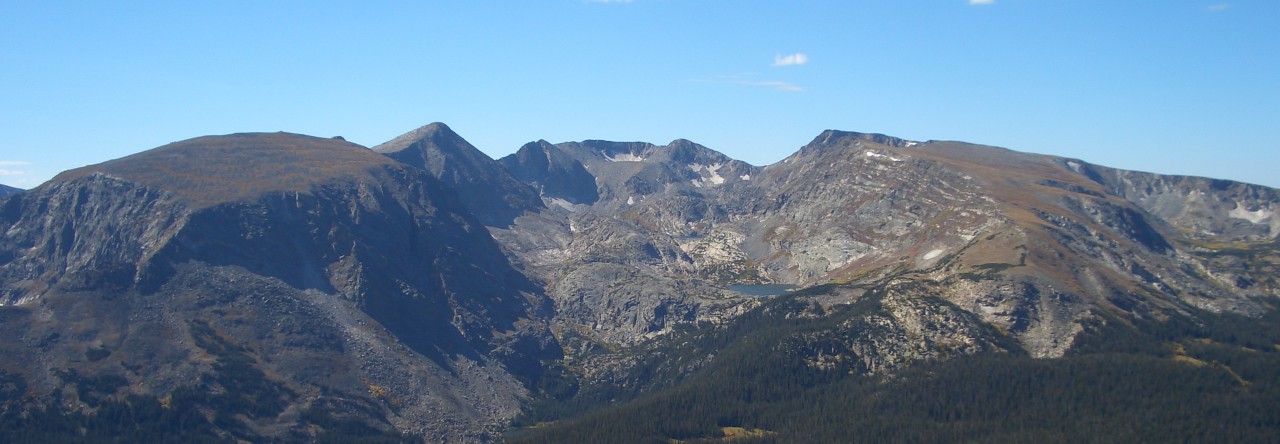
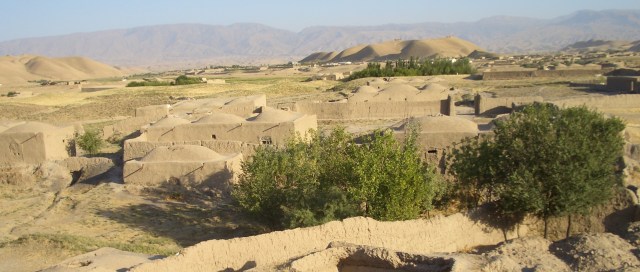
A few years ago I was in a faraway land known as Afghanistan. The specific time and place I cannot say, and isn’t relevant to my point anyway. An Afghan security officer was tasked with upgrading security for his base’s headquarters’ section and more specifically the base commander, to protect against the insider threat. He requested assistance from US forces and, being that my section was involved in threat assessments and counterterrorism, we were tasked with assisting him. We had been training the Afghan army for about ten years, we thought they should be conducting business in the same manner as the U.S. Army… we were wrong.
Our assessment was horrific, security personnel without protection or communication, parking areas right outside senior officer offices, open air breezeways with no protection, very little traffic control, and unlimited access to the building. This was going to be an interesting job.
As we got into planning we were given three rules we had to incorporate into the plan, all three were non-negotiable.
- Be discrete. They didn’t want the commander to look like he was hiding or afraid. They thought it would make him look weak in front of his men. Thus, making the place look like a fortress was out.
- Keep the cost low. They were restricted in resources and money. We were constrained to supplies and equipment they had on hand. If we couldn’t scrounge it locally, then they probably couldn’t get it.
- Don’t mess with the roses.
Wait… what? What do roses have to do with anything? One could see the other requests, but what does a flower garden have to do with protecting the building? Well, as their chief of staff tolerantly explained, roses are a symbol of success for the Afghan Army. Removing or damaging the rose garden in front of the building would have roughly the same effect as making the commander look weak. They would not compromise their values in the name of security.
This got me to thinking, and subsequently colors my current attitude toward security planning and assessments. First, you should not have to look like you are hiding frightened in your house to have robust security. You shouldn’t have to live with obvious security barriers like bars on the doors and windows, high intensity lights all around, large fences and gates topped with razor wire surrounding your entire perimeter, and generally looking like some kind of fortress. Most people want to present a warm and friendly outlook in the appearance of their house.
Second, it shouldn’t cost a whole lot of money to create a safe environment. Yes, we have the options of high security alarms, monitored and recorded digital video systems, high impact resistant window film, locks costing hundreds of dollars, etc. but if we can have a similar security increase by simply placing a five dollar stop on a window, or a bar in the sliding glass door, or trimming our hedges, then that should be our initial approach to security. Knock out the easy, inexpensive, and effective first. Worry about the other stuff later. Keep it simple.
Lastly we shouldn’t have to give up our values to increase our security, or make major changes in our lifestyle. We can use what we already have, adapt it, and incorporate it into our security plan.
This has become my philosophy, and my approach when it comes to designing a security plan. I believe, if we look hard enough, and do a little outside the box thinking, one can create a plan that is inexpensive, effective, and unobtrusive.
To answer your question, we were able to incorporate the rose garden in the security plan. Later it became indispensable to make our plan work. What began as a challenge became an opportunity.
 Mountain Wolf Security Consulting LLC